
Warranty Portal Rebuild: Ending a Monthly Developer Dependency
Warranty Portal Rebuild: Ending a Monthly Developer Dependency
Warranty portal rebuild: Razoyo replaced a five-year-old CodeIgniter system so monthly data imports no longer need a developer. Low maintenance five years on.
A company that supplies warranties to automotive dealerships ran its customer and dealership portal on a five-year-old CodeIgniter and PHP system with a number of feature gaps, and its outside data needed advanced developer help every month. Razoyo rebuilt the portal so the client’s own administrators import the data and run the reports. Five years after the rebuild, it has needed only moderate maintenance.
At a Glance
| Client | A company that supplies warranties to automotive dealerships |
| What we built | A rebuilt warranty portal for customers, dealerships and administrators |
| Starting point | A five-year-old legacy system on CodeIgniter and PHP, with a number of feature gaps |
| The recurring cost | External data sources that needed advanced developer help every month |
| Rebuilt on | The MEAN stack: MongoDB, Express, Angular and Node.js |
| Result | Administrative tasks no longer need a developer |
| Five years on | Only moderate maintenance and upgrades to the stack components |
In short: Every month the portal needed an engineer to get its data in, and the people who ran it were working around missing features. We rebuilt it around a data structure that updates the monthly import, the analytics and the customer records at the same time, and the administrators now do that work themselves. This is not ecommerce work. It is a custom application that had outgrown the system it was first built on.
The Situation
The client supplies warranties to automotive dealerships. Its website carries a portal that three different groups depend on, and each needs something different from it.
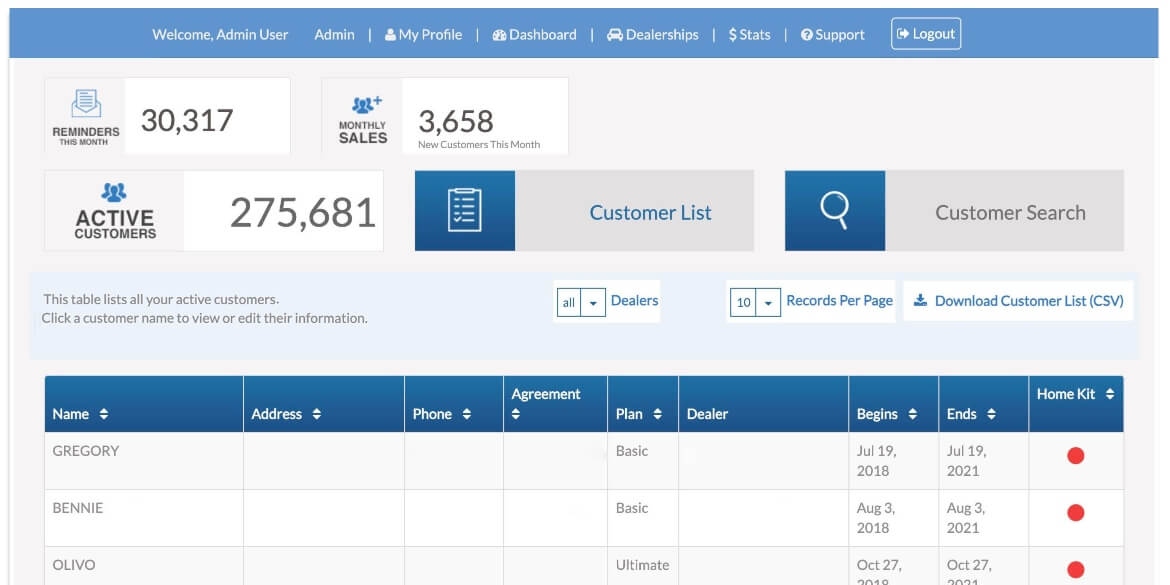
- Customers need the terms of their warranty, when their next service is due, and the information and messages that go with it.
- Dealerships need to see how many warranties they have sold, how many customers are due to come in, and how many additional services were bought as a result of a warranty.
- Administrators import data every month, read the analytics on how dealerships and customers use the portal, and handle customer service and general account maintenance.
The data that feeds all three comes in every month, from several external sources.
What Was Breaking
The portal ran on a legacy system, five years old, built on CodeIgniter and PHP, with a number of feature gaps. These were the known issues:
- The monthly data load needed a developer. The external data sources required advanced developer assistance every month. A routine task on a fixed schedule could not happen without an engineer.
- The people running it were slowed down. Missing features cut the efficiency of both dealerships and administrators.
- Customers called instead. The same gaps meant more customer service calls and lower customer satisfaction.
- It worked badly on phones. Functionality on mobile devices was reduced.
- It looked its age. The portal’s appearance was outdated.
The first item is the one that costs money every month. A system that needs an engineer for the same job on the same schedule puts a developer’s calendar between the business and its own data.
What We Did
The requirements came straight from those issues: modernize the look and feel, optimize the portal for mobile devices, automate the monthly database updates and analytics, give administrators better customer service tools inside the portal, and make it easier for customers to reach their warranty information.
We rebuilt the portal on the MEAN stack (MongoDB, Express, Angular and Node.js).
- A new data architecture. All data and document storage moved to a new architecture in MongoDB, which improved performance dramatically and reflects imported and user-entered data accurately.
- One structure for the monthly import. We built a data structure that organizes and updates the imported data, the analytics data and the existing customer records at the same time. It serves the requirement to automate the monthly updates and analytics, and it cut the time administrators and dealerships spend interpreting data.
- A single-page front end. We built the front end in Angular as a single-page application, which drastically improved the experience on mobile devices.
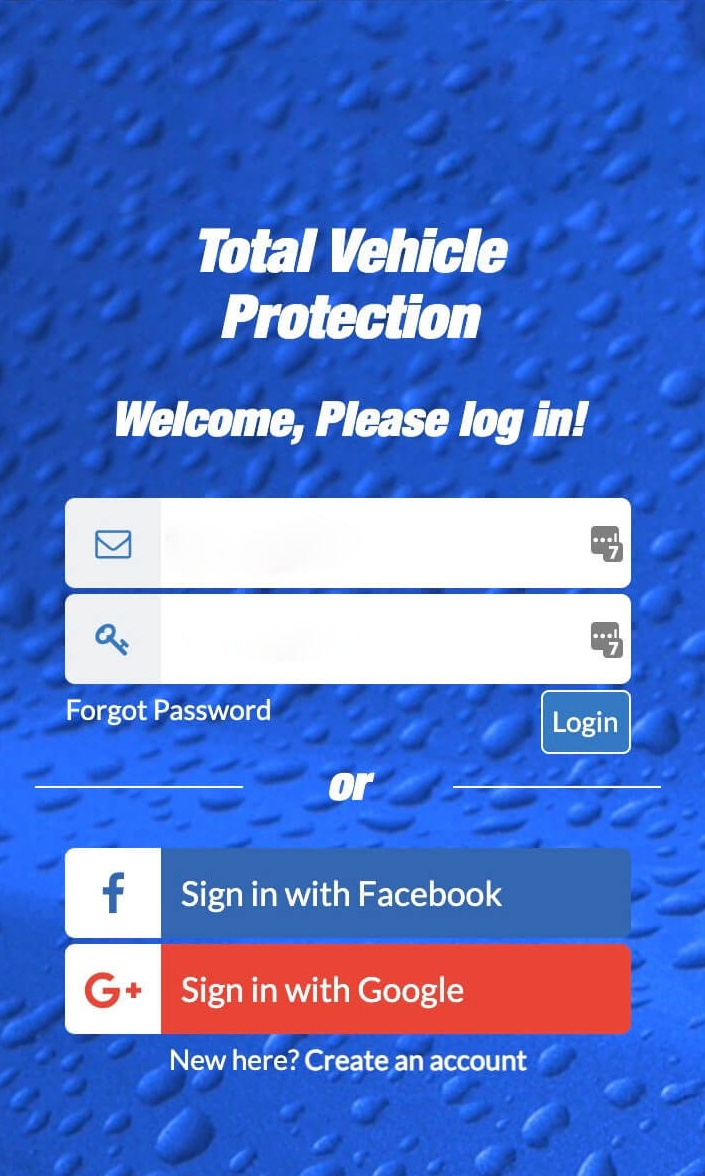
- Easier sign-in. Customers can log in with Google or Facebook.
- A faster build. Express, Angular and NPM modules significantly reduced implementation time and gave the team more flexibility during development.
The Result
- No developer in the monthly loop. Administrators and dealerships import new information and create and analyze their own reports. Administrative tasks no longer require developer intervention, which cut the client’s time and money spent maintaining the portal.
- Customers help themselves. Customers reach information about their warranties with ease.
- It has held up. Five years after we built it, the application has needed only moderate maintenance and upgrades to its stack components, Node.js and MongoDB.
What This Case Study Does Not Claim
We are not publishing call volumes, satisfaction scores, hours saved or a cost figure, because none were published for this project. What it shows is narrower, and for a buyer in the same spot it is the part that matters: a recurring task that needed an engineer every month became a task the client’s own staff run, and the system that replaced the old one has needed only moderate maintenance for five years.
Who This Is For
- You pay a developer to do the same job every month. An import, a data load, a report. If a routine task cannot run without an engineer, that is the problem this project solved. Our Manual Operations page covers this situation.
- You run a portal or internal tool that several kinds of user depend on, and it has fallen behind what they need from it. See custom systems.
- You run a system on an older stack and need to decide whether to extend it or replace it. Rewrite vs refactor an inherited codebase walks through that call, and who takes over software someone else built compares the firms that do this work.
This is not the right page if your system is actively failing in production rather than running out of room. That is a different job: software rescue.
Paying a Developer to Run the Same Task Every Month?
Start with a free 30 minute consultation with a senior engineer, then a fixed price $2,500 Workflow Spec if it is worth scoping. The Workflow Spec gives you a measured baseline of what the manual process costs you today and a real build estimate, both documented and both yours to keep. Every price is on our pricing page, and our process shows each step.
Frequently Asked Questions
What did Razoyo build for this client?
Razoyo rebuilt the warranty portal that a company supplying warranties to automotive dealerships runs on its website. Customers use it to see their warranty terms and when their next service is due, dealerships use it to see warranties sold and customers due in, and administrators use it to import monthly data, read usage analytics and handle customer service.
What was wrong with the old warranty portal?
It was a five-year-old legacy system on CodeIgniter and PHP with a number of feature gaps. Its external data sources needed advanced developer assistance every month, it worked poorly on mobile devices, its appearance was outdated, and missing features slowed dealerships and administrators and led to more customer service calls.
What stack is the new portal built on?
The MEAN stack: MongoDB, Express, Angular and Node.js. The front end is an Angular single-page application, and customers can sign in with Google or Facebook.
Does the client still need a developer for the monthly data?
No. Administrators and dealerships import new information and create and analyze reports themselves, and administrative tasks no longer require developer intervention.
How has the rebuilt portal held up?
Five years after Razoyo built it, the application has needed only moderate maintenance and upgrades to its stack components, Node.js and MongoDB.
How much does it cost to find out what a rebuild like this would take?
A free 30 minute consultation, then a fixed price $2,500 Workflow Spec if it is worth scoping. On custom work, once fees are paid you own the code we write for you.
Explore with AI:
These links open AI platforms with pre-written prompts about this page.